Half a Cloak11 November · Martinmas
St Martin’s Day
For one evening in November, from Portugal to Estonia, people light a fire for the same man.
Superbass · CC BY-SA 4.0
Germany · Austria · Switzerland
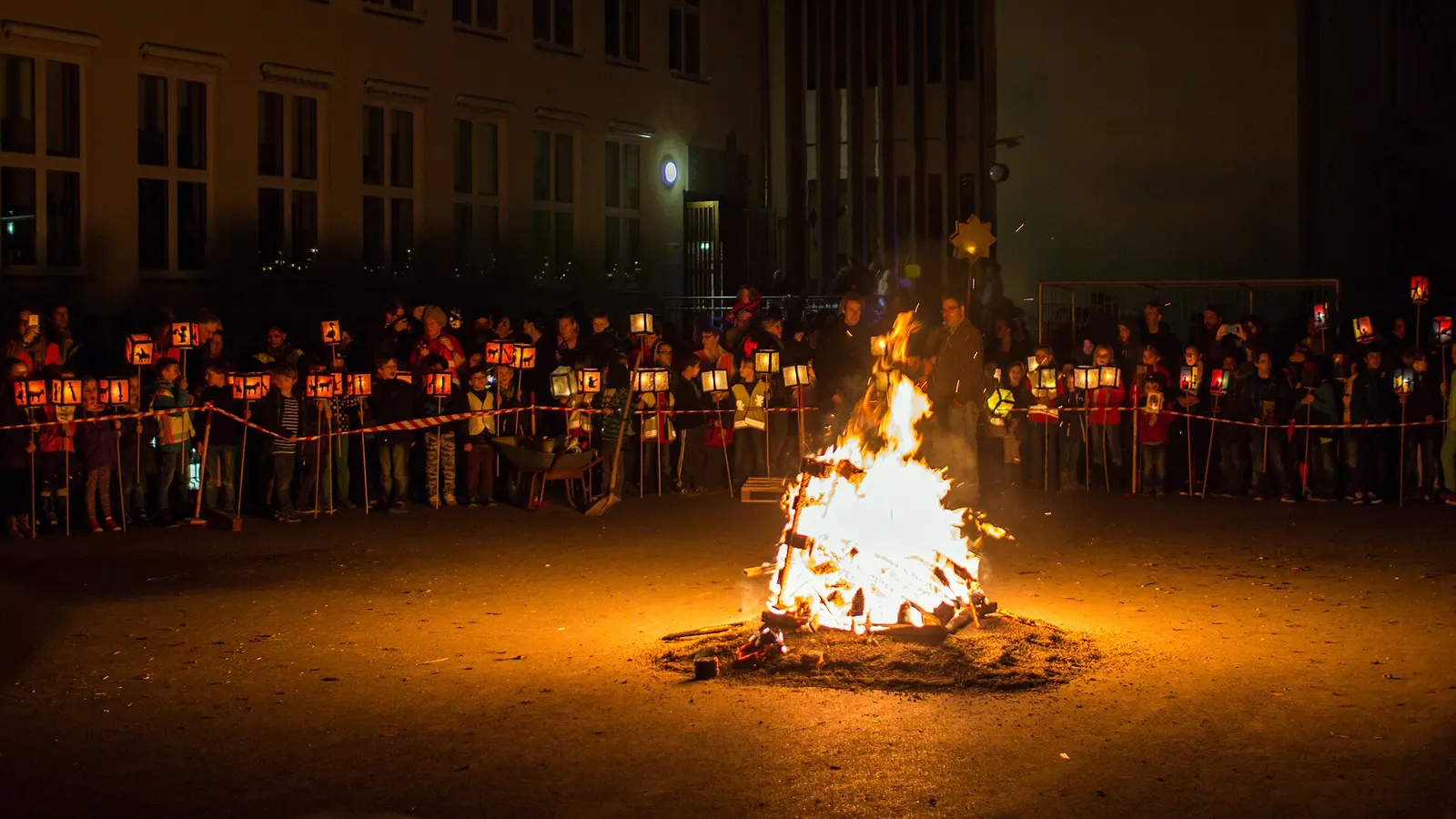
The lantern walk
After dark, children walk through the streets with paper lanterns, most of them made at school, singing St Martin songs. A brass band often walks with them. The largest processions, in towns such as Kempen and Bocholt, draw up to 8,000 people.
St Martin’s Day, or Martinmas, is 11 November. It is the day Martin was buried in Tours in the year 397. None of the customs below are in the book by Sulpicius. They grew up over the next sixteen centuries.
Later tradition
- 11.11the day he was buried in Tours, in 397
- 27countries and regions on this page
- 40days of fasting that once began the next morning
- 8,000people in the largest lantern processions
Why 11 November
Martin died on 8 November 397 at Candes. His body was taken up the Loire to Tours and buried three days later. The church kept the day of the burial.
By the Middle Ages the date had become a hinge of the farming year. The harvest was in, the new wine was ready to taste, animals that could not be fed through winter were slaughtered, rents fell due and servants changed masters.
Why lanterns
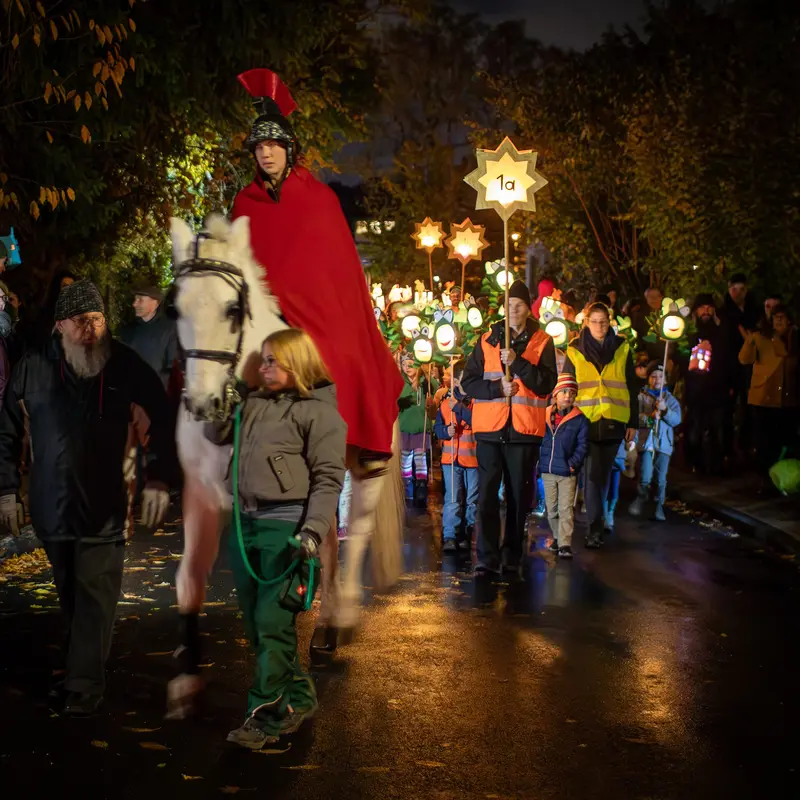
In Germany, Austria, Switzerland, the Netherlands and Flanders, children walk through the streets after dark carrying paper lanterns and singing. In many towns a rider in a red cloak leads them on a horse, and the scene at the gate is acted out at the end.
The walk often finishes at a bonfire, and the children are given a sweet bread shaped like a little man. In parts of the Netherlands they go from door to door instead, singing for sweets.
Why goose
A later legend says Martin hid in a goose pen so that he would not be made bishop, and the geese gave him away with their noise. Sulpicius tells the story of his election differently, and does not mention geese.
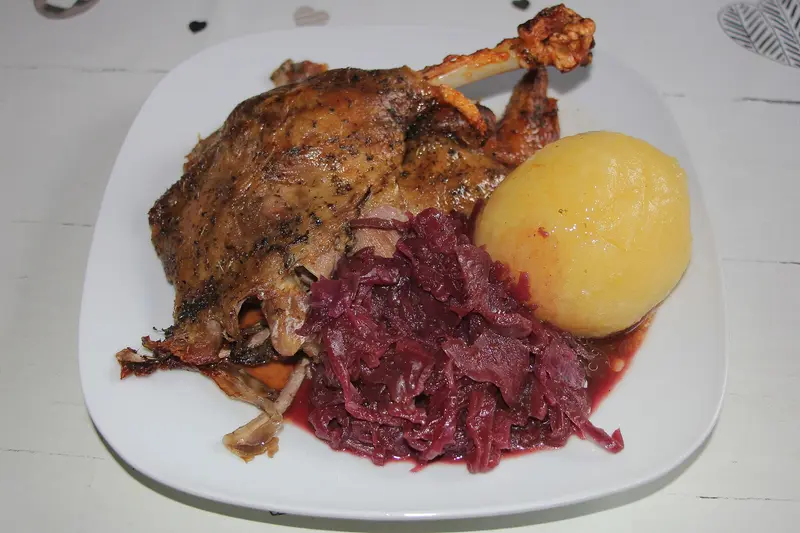
There is a plainer reason too. Geese were fat in November, and the day was the last feast before a forty-day fast that led up to Christmas, sometimes called St Martin’s Lent. Roast goose is still the dish of the day in Germany, Austria, Hungary, Czechia and southern Sweden.
St Martin’s Summer
A spell of mild, sunny weather around the feast is called St Martin’s Summer in much of Europe. The legend says that when Martin gave away half his cloak, the clouds parted and the sun came out to warm him.
What it looks like
The Rhineland
The rider in the red cloak
At the head of the procession rides a man dressed as a Roman soldier. At the end he meets a beggar, and the cloak is cut once more. The organised procession with a mounted Martin took shape in the Rhineland around 1900.
Germany · Limburg · Flanders
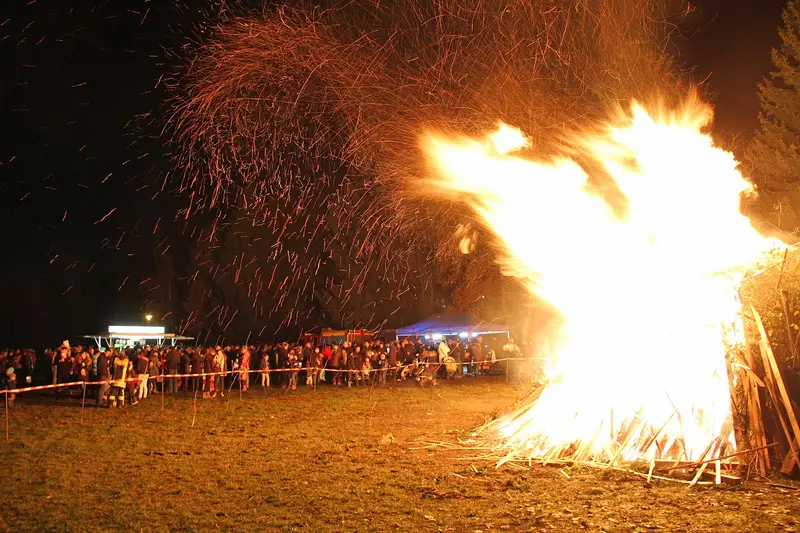
St Martin’s fire
The walk usually ends at a bonfire. In the fifteenth century the Rhineland lit so many that the feast was nicknamed spark day.
Rhineland · Westphalia · Luxembourg
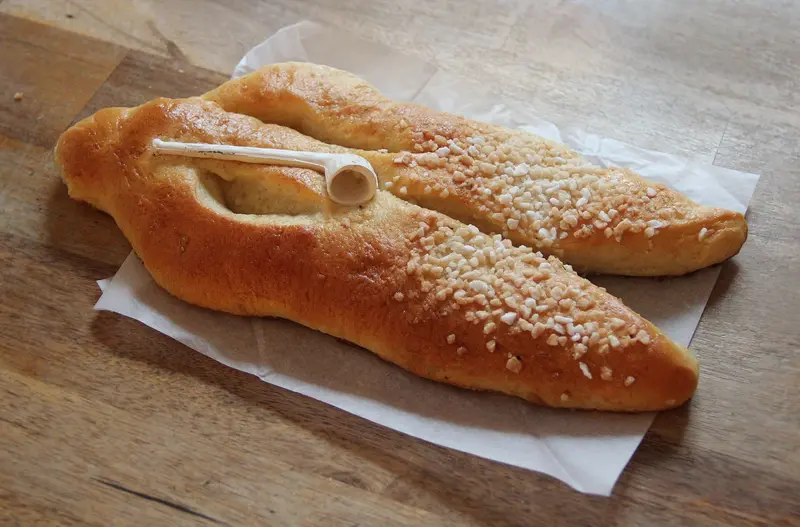
The dough man
After the procession each child is given a man made of sweet yeast dough, with raisins for eyes and a small white clay pipe. The pipe is said to stand for a bishop’s crozier.
The Netherlands
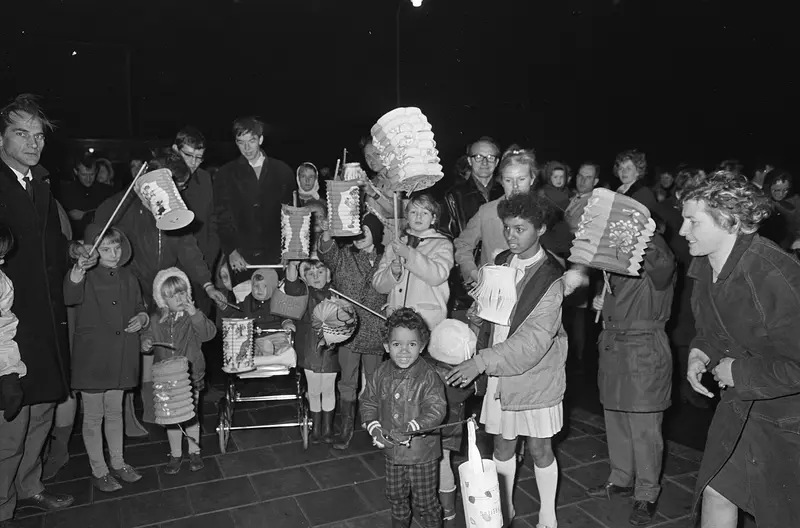
Door to door
On the evening of 11 November Dutch children go from door to door with lanterns and sing for sweets or fruit. The lanterns were once hollowed-out beets. For a long time it was a begging feast of the poor; since the 1920s it has belonged to every child.
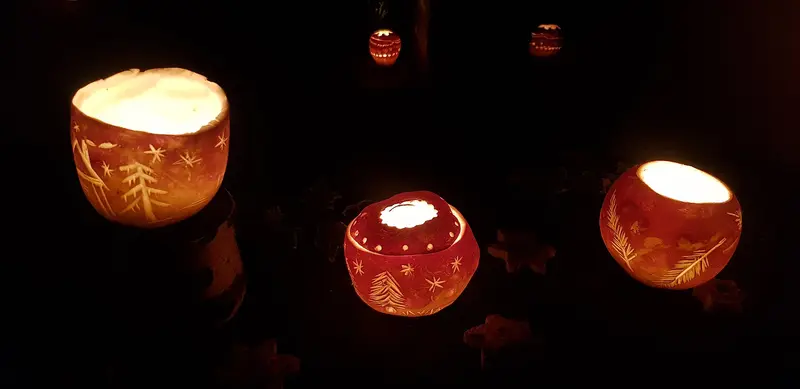
Richterswil, Switzerland
Twenty-five tonnes of turnips
On the second Saturday of November the street lights of Richterswil on Lake Zurich are switched off, and a procession passes with lanterns and floats carved from autumn turnips. About 25 tonnes are grown for it.
From Scania to Burgenland
The goose
Roast goose is the dish of the day: with red cabbage and dumplings in Germany, with flatbread called mlinci in Slovenia and Croatia, with a spiced soup of goose blood first in southern Sweden. Denmark has mostly switched to duck, about 600,000 of them each year.
Portugal
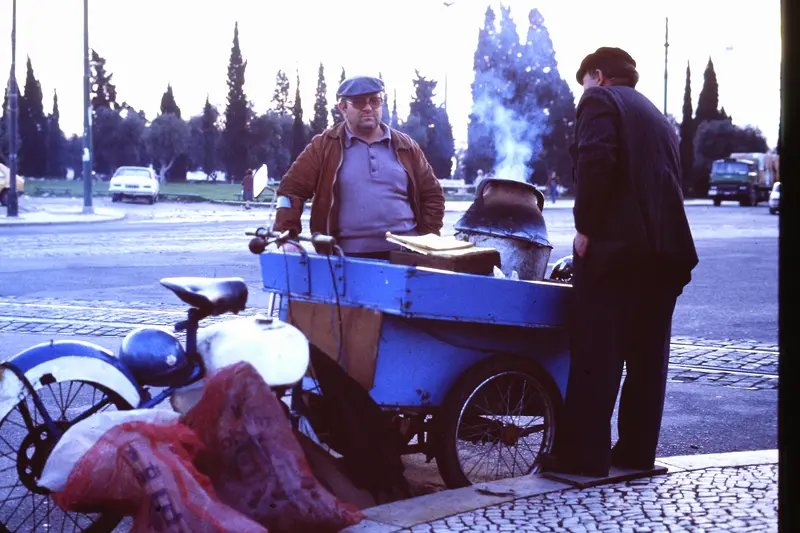
Magusto
Friends and families gather round a fire, roast chestnuts in the embers and taste the new wine, with the light água-pé or the sweet jeropiga beside it. People joke, sing and smear each other’s faces with ash.
Galicia, Spain
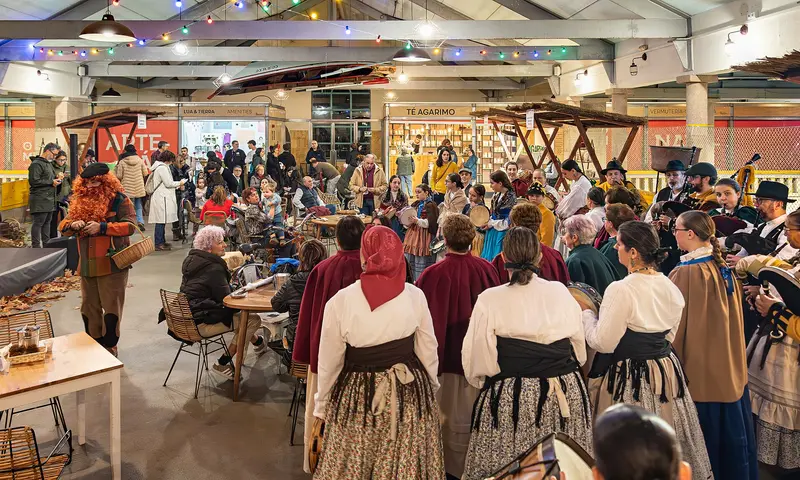
Magosto
Between All Saints and St Martin’s Day, northern Spain roasts chestnuts with chorizo and new wine. In Ourense, whose patron is Martin, the town goes up into the hills on 11 November to do it.
Poznań, Poland
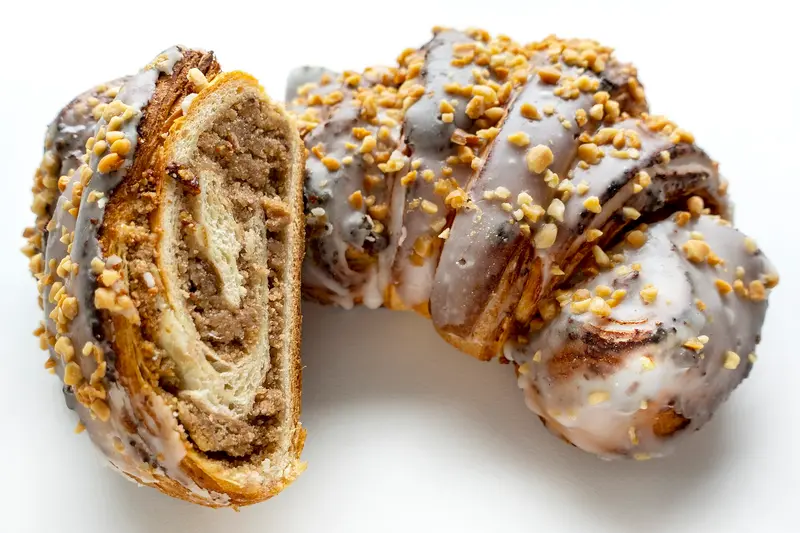
The croissant with a certificate
A horseshoe of layered pastry filled with white poppy seed, nuts and raisins. The story goes that in 1891 a parish priest asked his people to do something for the poor, and a baker made croissants that the rich bought and the poor were given. Its name has been protected in the European Union since 2008.
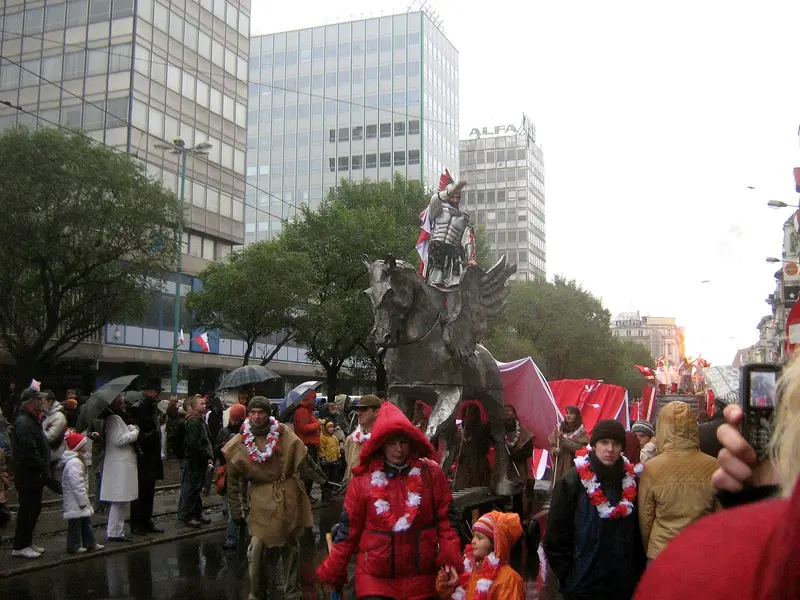
Poznań, Poland
The name day of a street
Since 1993, Poznań has held a parade down the street called Święty Marcin. A rider playing the saint leads it and is handed the keys of the city by the mayor.
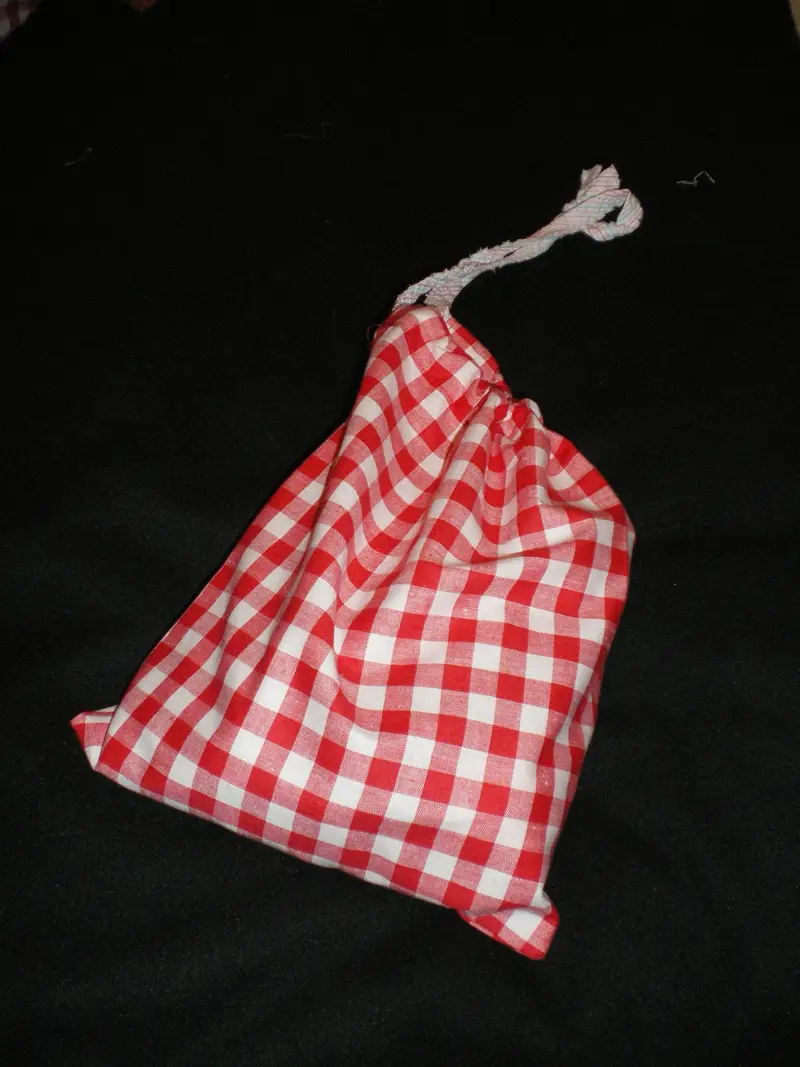
Malta
The bag
Maltese children are given a cloth bag of walnuts, hazelnuts, almonds, chestnuts, dried figs and fruit, with a sweet bread roll on top. The nuts used to be for playing games with.
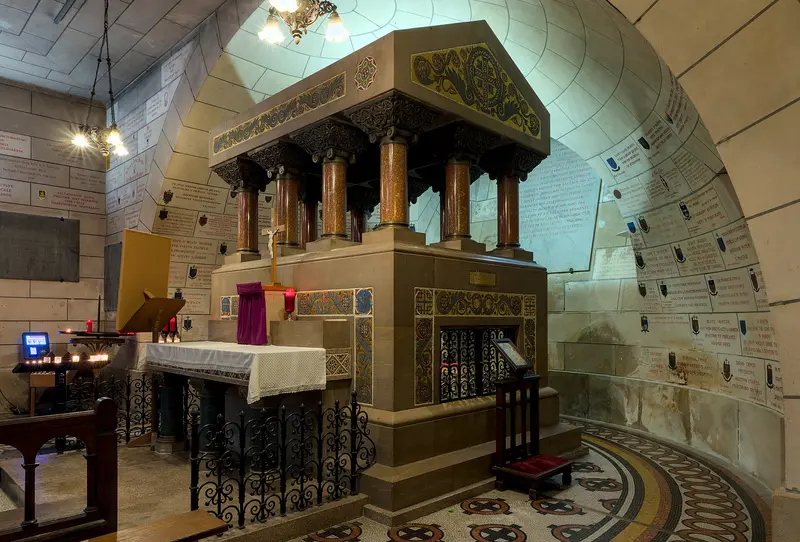
Tours, France
Where it began
Martin was buried here on 11 November 397. His tomb is in the crypt of the basilica that bears his name, and the day is still kept there.
Country by country
Everything we could find and check, from west to east and north to south. Many of these customs belong to one region or one town, and some are remembered more than they are practised.
Portugal
Dia de São Martinho
- Magusto: a fire, roast chestnuts, the first taste of the new wine, água-pé and jeropiga.
- Faces are smeared with ash from the fire.
- In Barqueiros a table of chestnuts was once left out at midnight for dead relatives.
- The mild days around the feast are the Verão de São Martinho. In the Portuguese telling of the legend it was raining, not snowing, and the sun then shone for three days.
Spain
San Martín · San Martiño
- Magosto in Galicia, magüestu in Asturias, magosta in Cantabria, gaztainerre in the Basque Country: chestnuts, chorizo and new wine.
- The household pig slaughter begins, which gave Spanish its best-known proverb about the day.
- Moaña in Galicia holds a four-day San Martiño festival.
France
La Saint-Martin
- Tours keeps the feast at his tomb.
- Around Dunkirk, children with beet lanterns look for the saint’s lost donkey and are given small brioches, on 10 November.
- In Alsace families walk in the evening with painted paper lanterns.
- St Martin’s fairs are held in Angers, Pontoise, Voiron and L’Isle-Jourdain.
- The armistice of 11 November 1918 made the date a national day of remembrance.
Belgium
Sint-Maarten · Saint-Martin
- Around Ypres and Aalst it is St Martin, not St Nicholas, who brings children their presents, on the night of 10 November. Children put out their shoes.
- In Ypres and Aalst he arrives by boat.
- In West Flanders children follow him with lanterns carved from beets.
- In Mechelen children go from door to door in costume, without lanterns, singing a song of their own.
- Belgian Limburg lights bonfires. The German-speaking east walks with lanterns as in Germany.
The Netherlands
Sint-Maarten
- Children go from door to door with lanterns on the evening of 11 November and sing for sweets.
- In Limburg the evening ends at a large bonfire.
- In Utrecht, whose patron he is, the great Martin bell of the Dom Tower is rung and a prize called the Cloak of Saint Martin is awarded.
- Coevorden has held a goose market in November since 1490.
Luxembourg
Mäertesdag
- In Vianden, on the nearest Saturday, two torch processions meet from either bank of the river Our, swinging burning baskets, and two tall fir trunks wrapped in straw are burned.
Germany
Martinstag · Sankt Martin · Martini
- Lantern processions behind a rider in a red cloak, ending at a bonfire.
- Children sing from door to door for sweets. The custom has a dozen local names.
- Each child gets a dough man or a sweet pretzel.
- In Lutheran northern Germany children sing on 10 November, the birthday of Martin Luther, who was baptised on St Martin’s Day and named after him.
- In Franconia a figure in fur called Pelzmärtel brings nuts and gingerbread, and a rod for children who misbehaved.
- Carnival opens at 11:11 in Cologne, Düsseldorf and Mainz.
- Farm leases still often run from one St Martin’s Day to the next.
Austria
Martini
- Lantern processions since the 1960s, run mainly by kindergartens.
- Martin is the patron of Burgenland, where 11 November is a public holiday and schools are closed.
- In the wine villages around Lake Neusiedl the young wine is tasted and ‘praised’ in the cellars, with goose.
- Priests bless the new wine, and a cask is given a name before anyone may drink from it.
- In the Pinzgau boys go from house to house ringing cow bells to mark the end of the grazing season.
Switzerland
Martini · Saint-Martin
- Sursee: the Gansabhauet, one blindfolded stroke at a goose.
- Richterswil: the procession of turnip lanterns.
- Children everywhere in the German-speaking cantons carve turnips with suns, moons and stars.
- In the Ajoie, in the Jura, the feast is a long meal of pork in many courses, repeated a week later.
- Vevey has held a St Martin’s fair since 1470.
Italy
San Martino
- The casks are opened for the first taste of the new wine, with the first chestnuts.
- Venice: children with pots and lids, and the biscuit horseman.
- Farm contracts ended on this day and tenants moved house. In parts of Emilia-Romagna ‘to do St Martin’ still means to move out.
- In South Tyrol the new wine is tasted with speck and roast chestnuts from St Martin’s Day to St Catherine’s.
- Sicily bakes hard aniseed biscuits for dunking in sweet wine.
- In Milan, Advent begins on the Sunday after St Martin’s Day, two weeks before the rest of the Catholic world.
Malta
Jum San Martin
- Children get the bag of nuts, figs and fruit.
- The village of Baħrija holds a procession, a fair and a show of animals.
Ireland
Lá Fhéile Mártain
- On the eve a cock was killed and its blood sprinkled on the threshold and the four corners of the house.
- No wheel was to turn on the day: no mill, no spinning wheel, no cart.
- Fishermen in Wexford stayed ashore.
Britain
Martinmas
- In Scotland Martinmas was one of the four term days, when rents were paid and servants hired.
- In the East Riding of Yorkshire farm workers were hired for the year at Martinmas fairs, the bargain sealed with a shilling.
- Cattle were slaughtered and salted for winter as ‘Martlemas beef’.
- Since 1919 the date has been Remembrance Day.
Denmark
Mortensaften
- Roast duck, formerly goose, on the evening of 10 November.
Sweden
Mårtensafton
- A goose dinner on 10 November, now mainly in Scania: black soup, roast goose, apple cake.
Norway
Mortensmesse
- On the old wooden calendar sticks the day is marked with a goose or a bishop’s crozier.
- It was called the bear’s evening, when the bear goes into its den.
- In some districts children hung up stockings filled with hay. Bishop Morten took the hay for his horse and left coins and sweets.
Finland
Martinpäivä
- The farm year turned at Martinmas: leases were made and servants paid.
- Today it is kept mainly by parishes and by theology students, on 10 November.
Estonia
Mardipäev
- Masked ‘Martin beggars’ go from house to house on the eve, singing and scattering grain.
- All field work had to be finished by this day, and spinning was forbidden on it.
- Its twin is St Catherine’s Day on 25 November, when the mummers wear white.
Latvia
Mārtiņi
- Masked processions in inside-out fur coats.
- The day ends threshing and herding and welcomes winter.
Lithuania
Šv. Martyno diena
- In Samogitia every household ate goose and read the winter from its breastbone.
- Herdsmen are said to have led a white goat round a white birch to bring the first snow sooner.
- Klaipėda has had a lantern walk since 2009.
Poland
Dzień Świętego Marcina
- Poznań: the parade and the St Martin’s croissants.
- Pomerania has brought back the St Martin’s goose since 2013.
- Around Hajnówka a many-layered cake called marcinek is baked.
- 11 November is also Polish Independence Day.
Czechia
Svatý Martin
- The first wine of the year is opened at eleven o’clock on 11 November.
- Roast goose, and horseshoe-shaped rolls filled with nuts or poppy seed.
- If it snows, Martin has arrived on a white horse.
- Farmhands whose contract was not renewed were given the rolls for the road.
Slovakia
Deň svätého Martina
- Autumn goose feasts. The village of Slovenský Grob near Bratislava is known for them.
- Bratislava’s cathedral is dedicated to Martin.
Hungary
Márton-nap
- Goose soup, roast goose and the new wine.
- Washing and hanging out laundry were avoided on the day, for the sake of the animals.
- Herdsmen were paid and gave the farmer a branching birch rod, used in spring to drive the animals out.
- Szombathely, where Martin was born, holds a St Martin’s week and fair.
Slovenia
Martinovo
- The must is ‘baptised’ and becomes wine.
- Maribor holds the largest festival.
- Goose with mlinci.
Croatia
Martinje
- The baptism of the must, recorded in the north since the seventeenth century, with a mock bishop and a godfather for the wine.
- In Sveti Martin na Muri people dress as Roman soldiers and follow a rider after Mass.
Romania
Sankt Martin
- The German community of Satu Mare walks with lanterns behind a rider, with brass bands from the villages.
What people sing
In German, the songs every child knows are ‘Sankt Martin ritt durch Schnee und Wind’, ‘Ich geh mit meiner Laterne’ and ‘Laterne, Laterne, Sonne, Mond und Sterne’. Dutch children sing ‘Sint-Maarten, Sint-Maarten, de koeien hebben staarten’. Estonia has a whole genre of St Martin’s songs, the mardilaul.
Short answers
When is St Martin’s Day?
11 November every year. In some places the celebrations are on the evening before.
Who was Saint Martin?
Martin of Tours, a Roman soldier born around 316 who left the army, became a monk and was bishop of Tours in Gaul from 371 to 397. He is best known for cutting his cloak in two to share it with a beggar.
Is Martinmas the same as St Martin’s Day?
Yes. Martinmas is the older English name, meaning the Mass of Martin.
Are these customs in the original Life of Martin?
No. Sulpicius Severus wrote while Martin was alive. The goose, the lanterns and the weather legend all came later.
The customs are later. The man is in the book.
The cloak → Get the book, free The tomb of Saint Martin Printable flyer for parishes and groups
Compiled from the Wikipedia articles on the feast in about twenty languages and from national heritage inventories, in November 2026. Customs change from town to town; if yours is missing or wrong, tell us. Found a mistake? Tell us
Photographs (15)
- Children with glowing St Martin's lanterns gathered in a ring around the Martinsfeuer bonfire in Köln-Neuehrenfeld, Cologne, Germany, 2015. — Superbass, CC BY-SA 4.0, Wikimedia Commons
- A rider dressed as St Martin in a red cloak and Roman helmet on a white horse leads the lantern procession (Martinszug) in Köln-Neuehrenfeld, Cologne, Germany, 10 November 2017. — Superbass, CC BY-SA 4.0, Wikimedia Commons
- Martinsfeuer bonfire throwing sparks into the night sky at the festival ground in Manderbach, Dillenburg, Germany, 11 November 2016. — Christian Pulfrich, CC BY-SA 4.0, Wikimedia Commons
- A Weckmann, the sweet yeast-dough figure with a clay pipe baked for St Martin’s Day, 2021. — Opzwartbeek, CC BY-SA 4.0, Wikimedia Commons
- Sint-Maarten procession in Amsterdam-Noord, the Netherlands, 11 November 1967: children with paper lanterns going from house to house. — Jack de Nijs for Anefo / Anefo, CC0, Wikimedia Commons
- Carved turnip lanterns (Räbeliechtli) glowing in the dark at the Räbechilbi turnip lantern parade in Richterswil, Switzerland, 2025. — Armineaghayan, CC BY-SA 4.0, Wikimedia Commons
- Roast St Martin's goose (Martinigansl) served with red cabbage and a potato dumpling, Austria, 2020. — Karl Gruber, CC BY-SA 4.0, Wikimedia Commons
- Roasted-chestnut vendors with a smoking roasting cart in Belém, Lisbon, Portugal. — Fernando Moital from Évora, Portugal, CC BY 2.0, Wikimedia Commons
- Magosto chestnut festival with musicians in traditional Galician dress at the municipal market of Pontevedra, Galicia, Spain, 2025. — Jorge Franganillo, CC BY 4.0, Wikimedia Commons
- Rogal świętomarciński, the St Martin's croissant of Poznań, Poland, filled with white poppy seed and cut in half, 2021. — Polonist, CC BY 2.0, Wikimedia Commons
- St Martin's Day procession on Święty Marcin street in Poznań, Poland, 11 November 2006, with a rider in Roman armour. — User:Patnac, CC BY-SA 3.0, Wikimedia Commons
- A Maltese Saint Martin's bag (Borża ta' San Martin), the cloth bag of nuts and sweets given to children, 2010. — Demdem (talk) (Uploads), CC BY-SA 3.0, Wikimedia Commons
- The tomb of Saint Martin in the crypt of the Basilica of Saint Martin, Tours, France, 2025. — Benjamin Smith, CC BY-SA 4.0, Wikimedia Commons
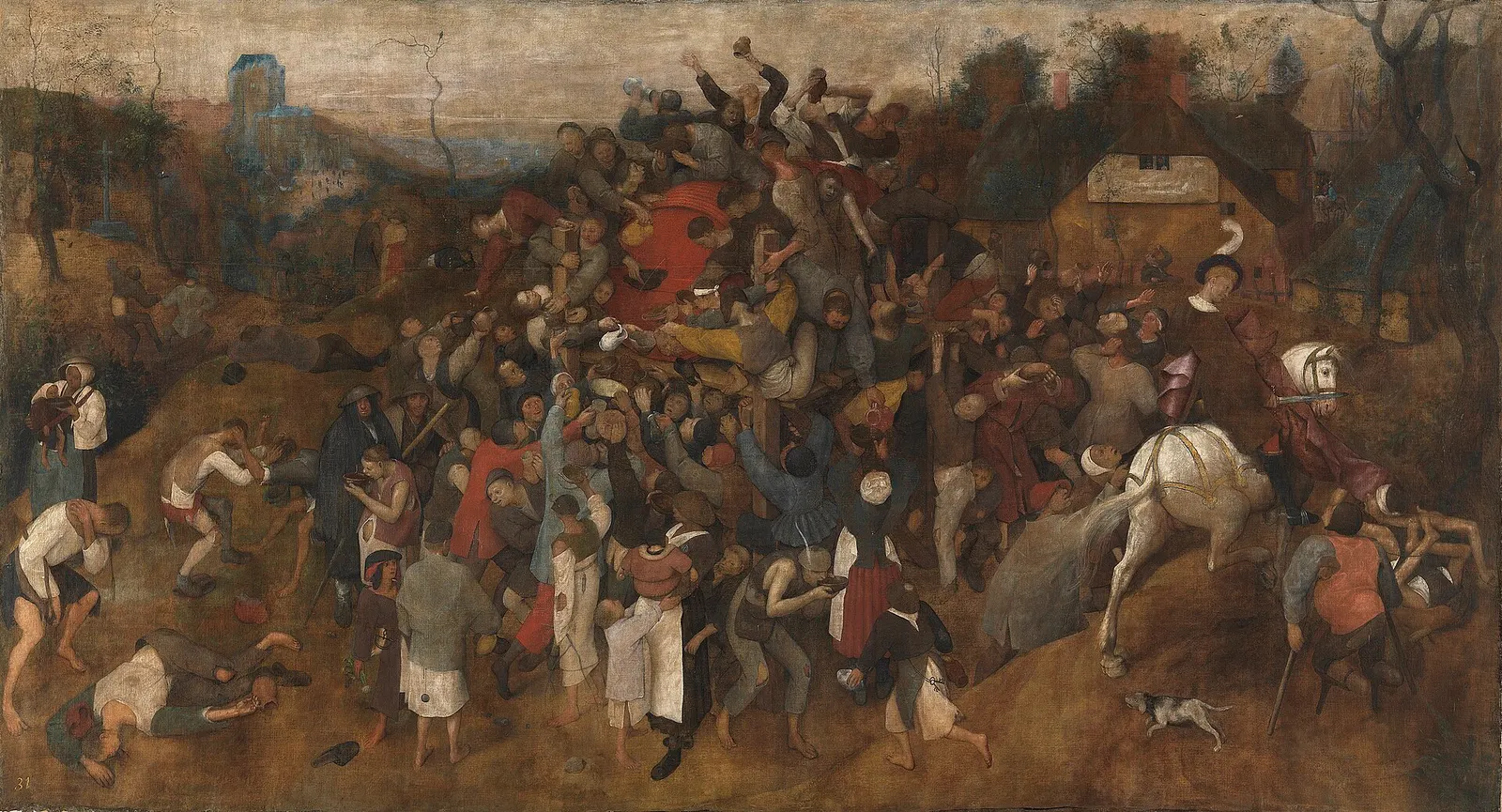
- Pieter Bruegel the Elder, The Wine of Saint Martin's Day, c. 1565-1568 (Museo del Prado, Madrid), after restoration. — Pieter Brueghel the Elder, Public domain, Wikimedia Commons
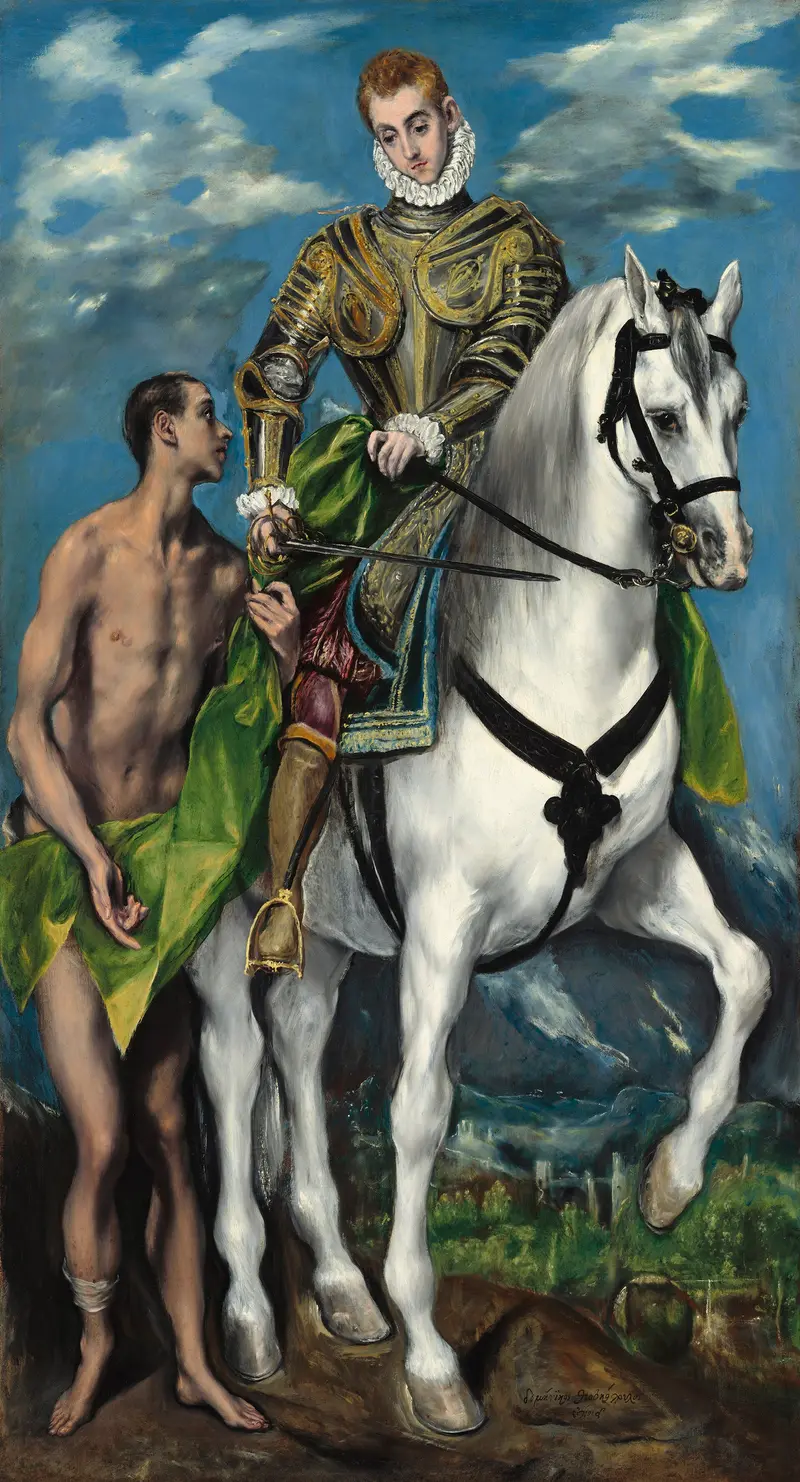
- El Greco, Saint Martin and the Beggar, oil on canvas, c. 1597-1599 (National Gallery of Art, Washington). — El Greco, Public domain, Wikimedia Commons


